

The Dichotomy of Control: Marcus Aurelius’ Most Powerful Leadership Lesson for Today’s Uncertain World
Mar 25, 2026
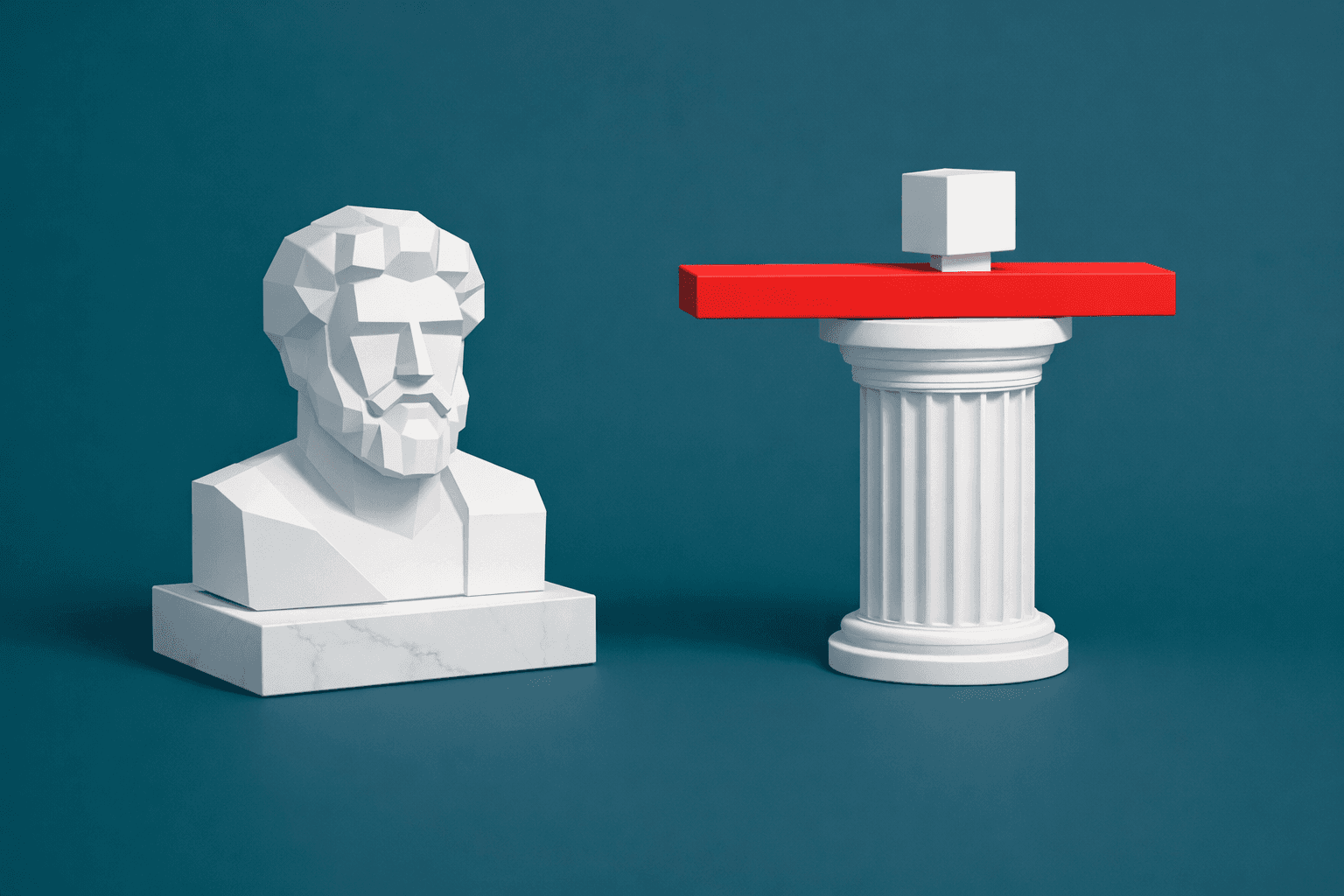
“You have power over your mind—not outside events. Realize this, and you will find strength.”
— Marcus Aurelius, Meditations
In a world of market swings, talent shortages, geopolitical shocks, and rapid technological change, leaders often feel overwhelmed.
The pressure to control everything, from team performance to economic conditions, can quickly lead to stress, frustration, and burnout.
Nearly two thousand years ago, a Roman emperor facing wars, plagues, and political betrayals distilled a simple yet profound truth that remains one of the most practical leadership tools available today.
It is worth mentioning that Marcus Aurelius never intended Meditations to be read by others. He wrote it in Greek as a collection of personal notes during long military campaigns, these were private reminders to himself, mental exercises to stay calm and effective under constant pressure. As emperor of the largest empire of his time, he dealt with challenges that feel strikingly familiar to those we experience today.
One core idea he returns to again and again is the Dichotomy of Control.
Some things are within our power, our judgments, attitudes, efforts, and responses. Everything else, other people’s opinions, market movements, global events, even the outcome of a well-executed strategy, is outside our direct control. The moment we confuse the two, we surrender our peace of mind and effectiveness to forces we cannot influence, inevitably losing before we start the fight.
How relevant is this today? For modern leaders and startups.?
This distinction is timeless, revolutionary.
How much energy do we waste worrying about investor sentiment, competitor moves, or economic forecasts? How often do we lie awake replaying conversations or obsessing over things that ultimately depend on others?
Marcus urges us to draw a clear line: focus intensely on what is ours to control, and accept the rest with calm indifference.

How can this be applicable in real terms? Here are some suggestions
Run a daily “Control Audit” At the end of each day, quickly list what frustrated you. For each item, ask: “Is this within my control?” If not, consciously release it. This simple habit prevents mental leakage and frees up energy for what actually matters.
Separate effort from outcome Evaluate your decisions and your team’s performance by the quality of effort, preparation, and execution, not only by results that can be influenced by external factors. This creates a healthier, more resilient culture where people learn to perfect the quality of their processes
Respond, don’t react When bad news hits, a lost deal, pause and ask: “What part of this can I influence right now?” Your response becomes deliberate instead of emotional, which is exactly what strong leadership looks like under pressure.
Focus on your communication In meetings and one-on-ones, steer conversations toward what the team can control: next actions, improvements in process, mindset, and standards. This shifts the entire team towards ownership.
Marcus Aurelius proved that the highest form of power is internal clarity. A concept so poignantly relevant today given the speed at which everything is moving.
What is the best antidote to being overwhelmed than having internal clarity?
By mastering what is within your control and letting go of the rest, you conserve energy, make clearer decisions, reduce unnecessary suffering, and become the steady presence your team needs in turbulent times.
Sounds familiar? Maybe
But the fact that a Roman Emperor wrote down some notes around 2000 years ago that can still inspire us today is truly amazing.